Train Like a Pro. Compete With Clarity.
Private high-performance coaching in Boca Raton for players who want structured, measurable progress. Not generic sessions.
Players developed to strong ITF Results · ATP Top 60 · NCAA Division I
Limited availability · By application only
Trusted Across 25+ Countries
•
15+ Years Experience
•
ATP Certified
•
Trusted Across 25+ Countries • 15+ Years Experience • ATP Certified •
The JSTA Philosophy
“Many athletes train hard for years without seeing proportional progress. The issue is rarely effort. It is decision-making, structure, and understanding what to develop and why.
JSTA exists to solve that gap.”

JOAO SILVERIO - HEAD COACH, JSTA
A system built on four pillars
Real progress doesn't come from isolated drills. It comes from a structured, intentional approach to every dimension of the game.
01
—
Technical
Precision mechanics built to hold under pressure, not just in practice.
02
—
Tactical
Pattern recognition and decision-making that translates directly to match play.
03
—
Mental
Emotional resilience and focus built into every session, not treated as an afterthought.
04
—
Physical
Movement, athleticism, and endurance developed in full context with the game.
The JSTA Difference
-
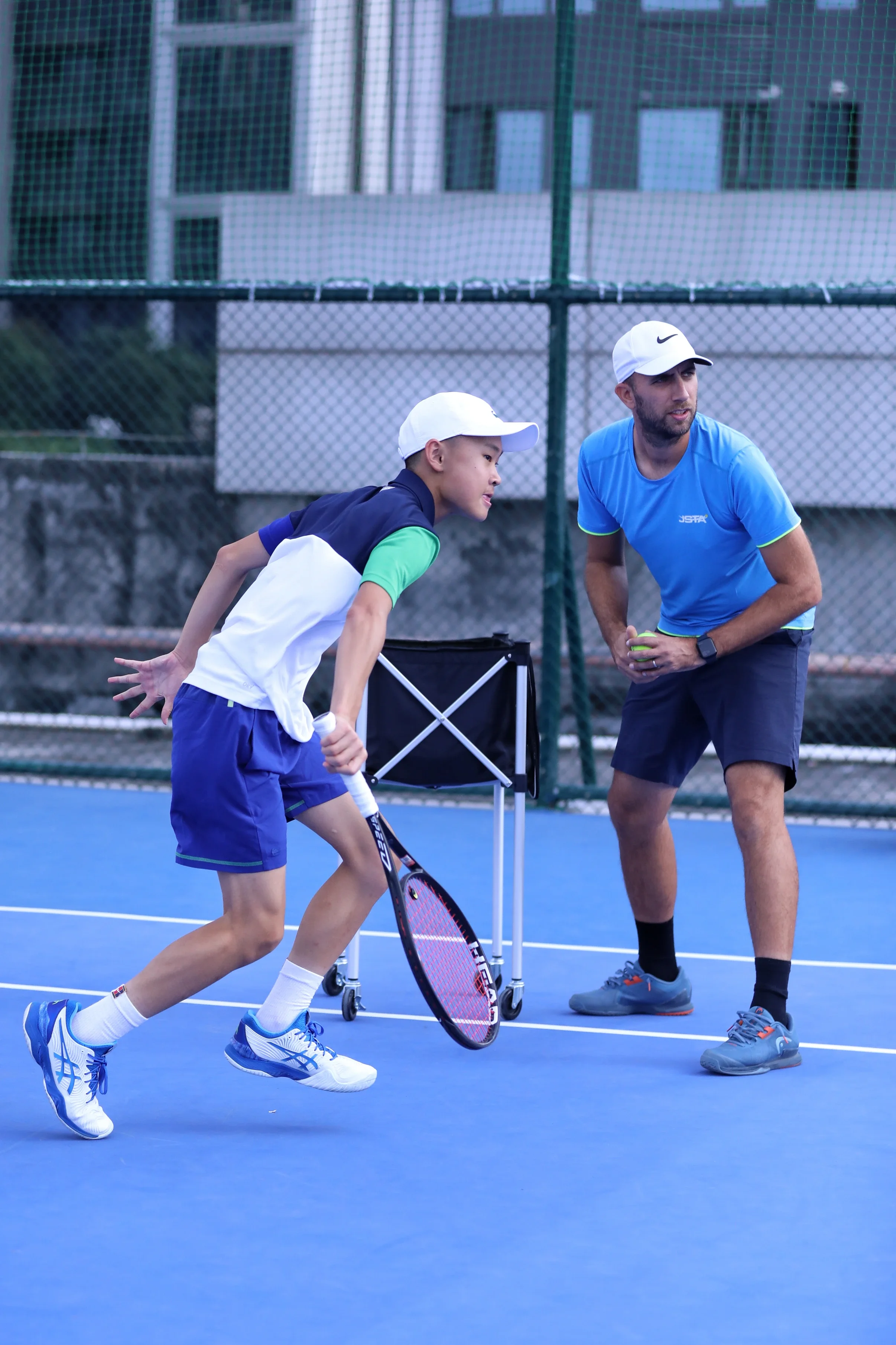
Joao has contributed to the development of juniors achieving strong ITF results, ATP players reaching the Top 60, NCAA Division I athletes, and professionals earning Challenger titles and Grand Slam qualification. His work reflects consistent, measurable progress across every stage of a player’s development.
-
Technical refinement, video analysis, physical conditioning, mental performance, and long-term athlete management, structured into every lesson. Visible, repeatable, and reliable progress.
-
Having coached across most continents, Joao brings a truly global perspective. His network, experience, and adaptability give players access to opportunities worldwide, from tournaments to training environments.
-
Granted U.S. permanent residency through the EB-1 category, reserved for individuals of extraordinary ability. USPTA Elite Professional · RPT International Certified · GPTCA–ATP Certified Coach.
Joao Silverio
High-Performance Tennis Coach
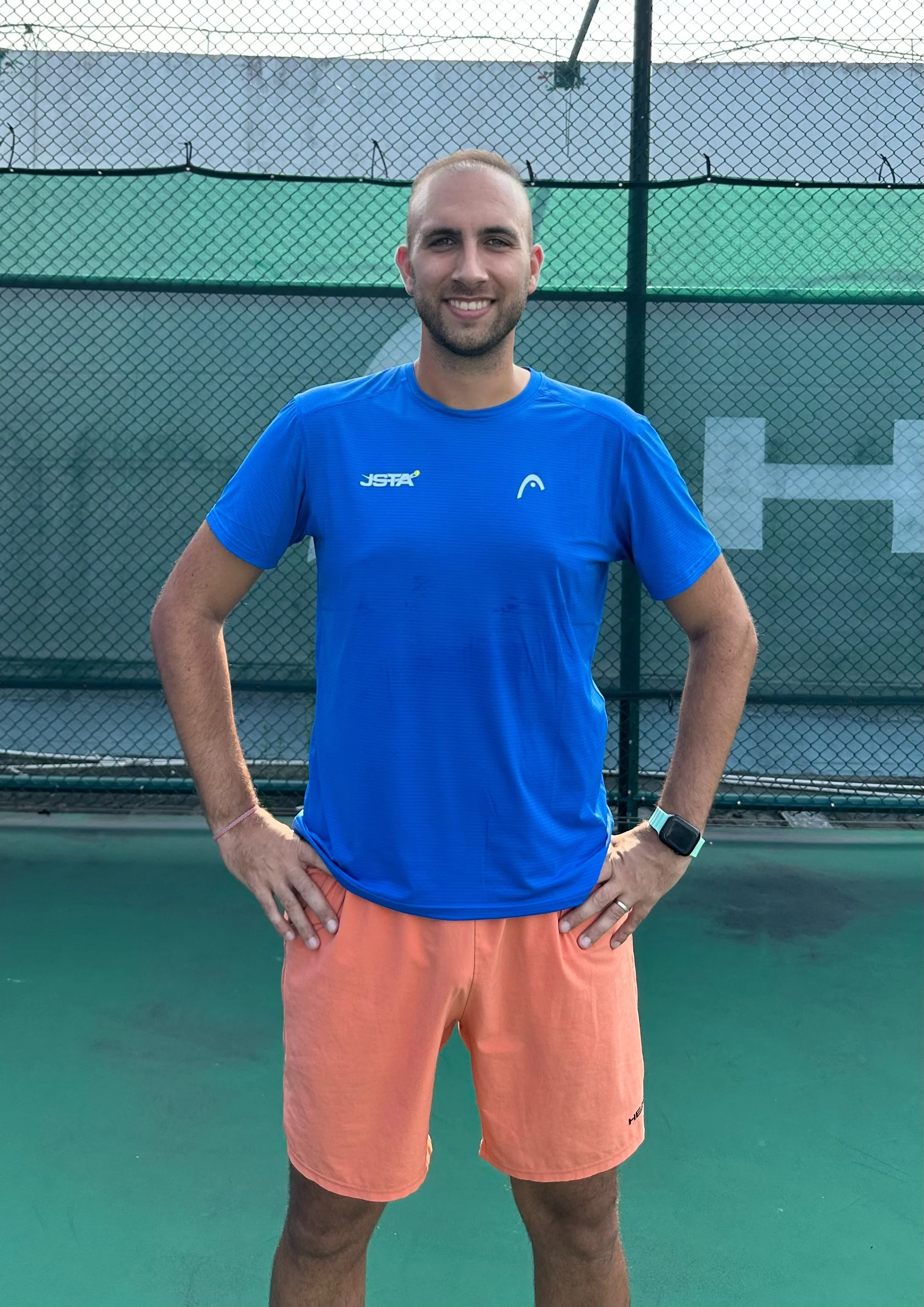


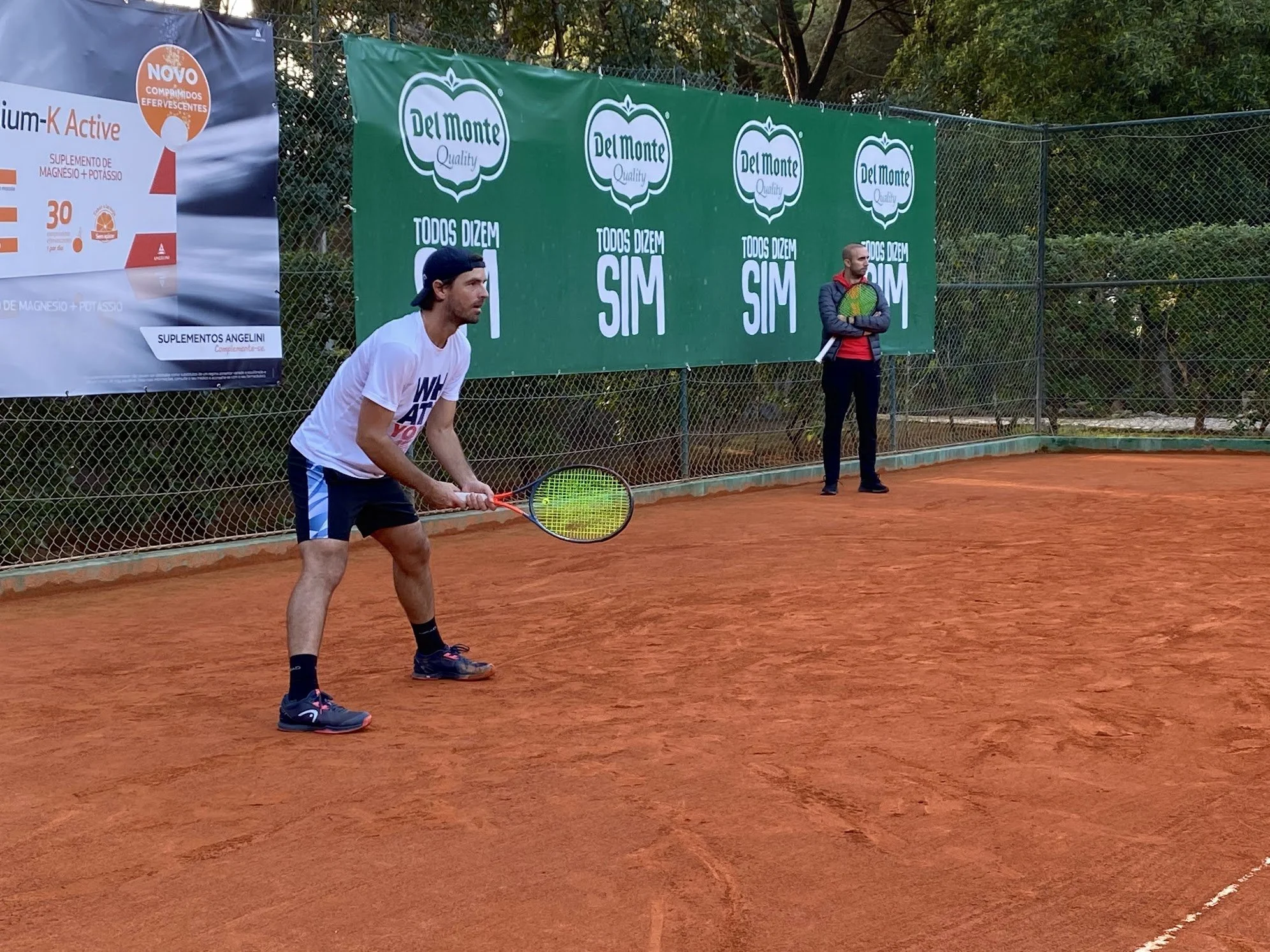
No. 1 junior in Portugal. National Team representative. ATP and ITF professional circuit competitor. Joao Silverio combines elite playing experience with international coaching exposure at the highest levels of the sport, including work with professional players Gastao Elias (ATP 57) and Pedro Sousa (ATP 99), both Olympians, as well as Joao Domingues (ATP 150), in addition to coaching experience at Grand Slam and ATP tournaments.
Over the last decade, he has led high-performance programs across Europe and Asia, contributing to the development of players achieving strong ITF results, ATP Top 60, NCAA Division I pathways, national titles, Challenger titles, and Grand Slam qualification. He now brings that methodology to Boca Raton, Florida, working with juniors, pro players and adults who seek real, measurable progress through a personalized development plan.
Who it’s for
Three pathways. One standard.
Tour-Level Performance Coaching
Professional & elite circuit players
Competition-driven, not volume-based
Match-driven technical refinement
Tactical clarity & game identity
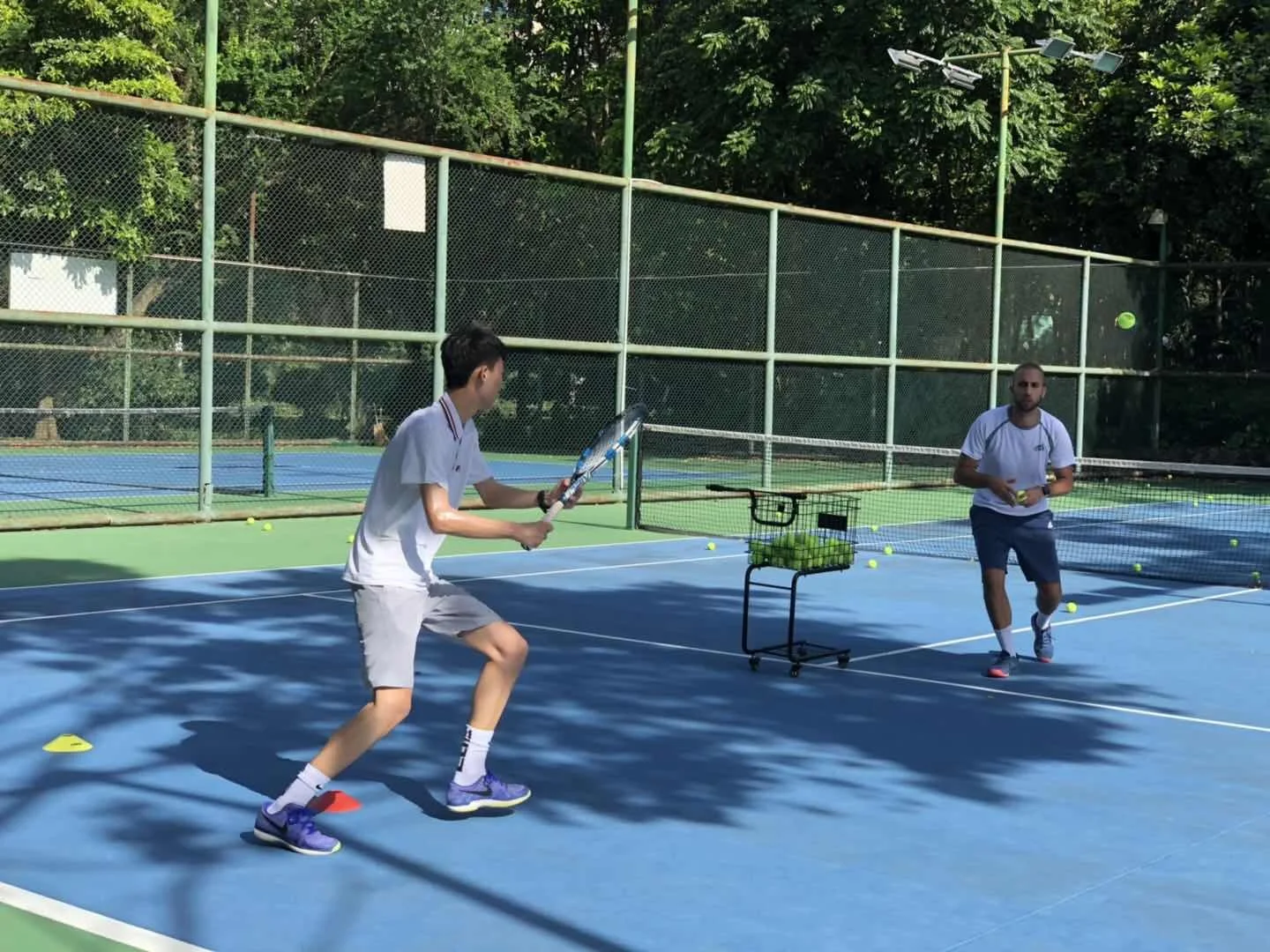
Junior High-Performance Development
Competitive juniors with clear goals
College & professional pathway guidance
Tournament application from day one
Mental & competitive maturity training
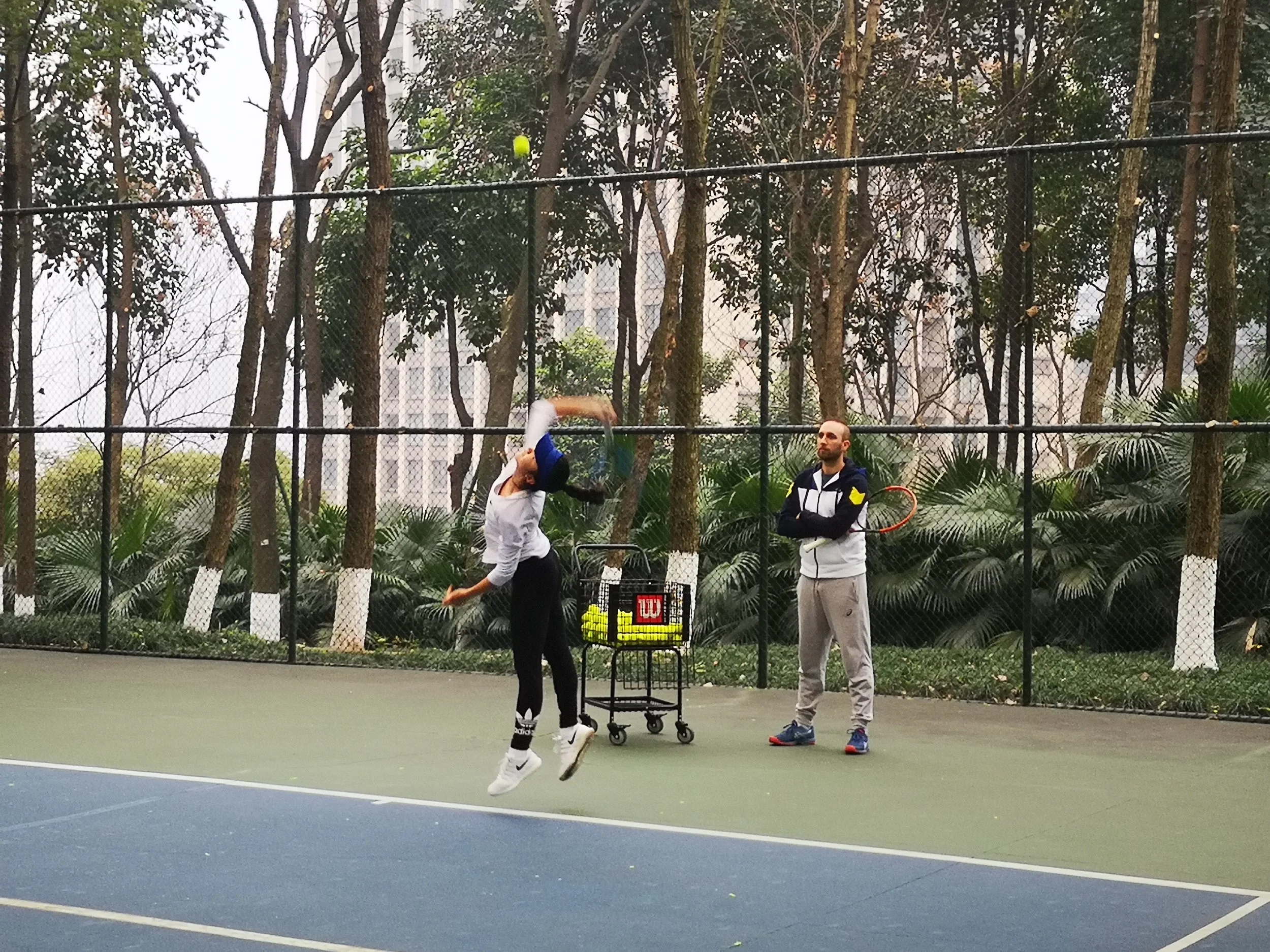
Elite Adult Performance Coaching
Experienced, competitive adult players
Refinement over rebuilding
Time-efficient, purposeful sessions
Not for beginners or recreational players
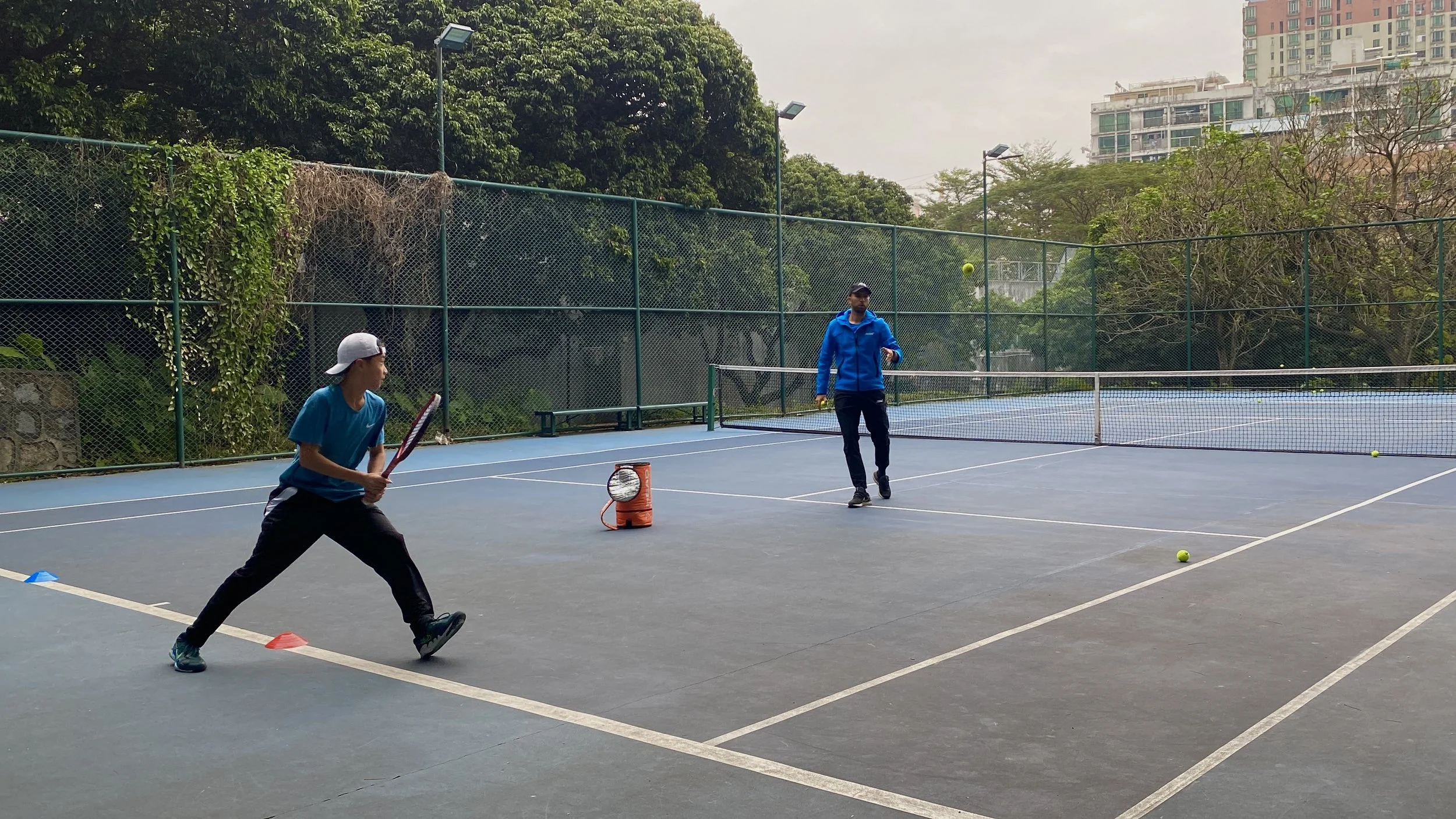
World-class coaching without the limitations of a single facility
Training locations are fully handled by the JSTA team. Based on your level, schedule, and preferences, we coordinate the most suitable court in advance, so you never have to search for a location or manage logistics.
Boca Raton, Florida.
What Players & Families Are Saying
Results speak for themselves
Ready to Take the Next Step?
Let’s define the right starting
point for your training.
Share your level, goals, and availability. We’ll guide you from there.
Response within 24 hours
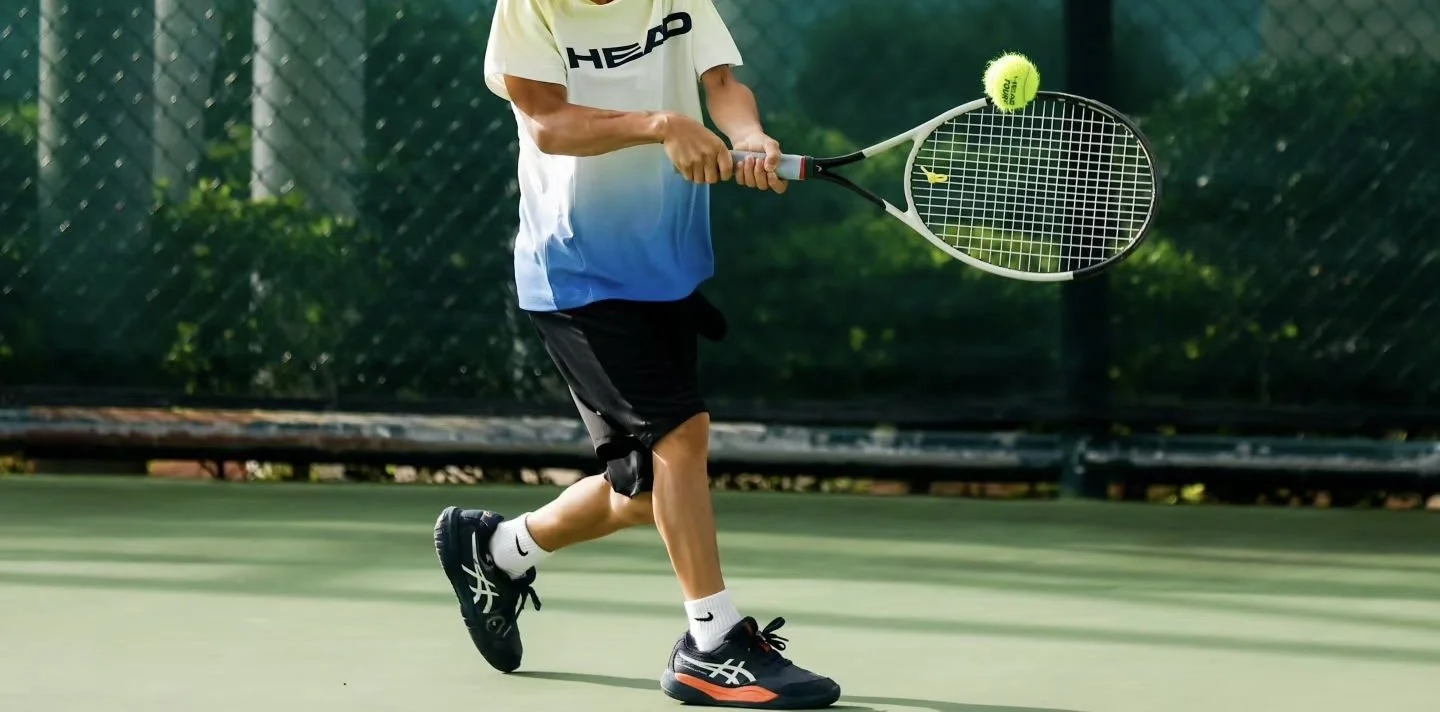
Insights for High-Performance Tennis Development
A clear look into the JSTA team’s development philosophy, sharing real training frameworks, coaching principles, and expert guidance for players and parents who value long-term improvement.